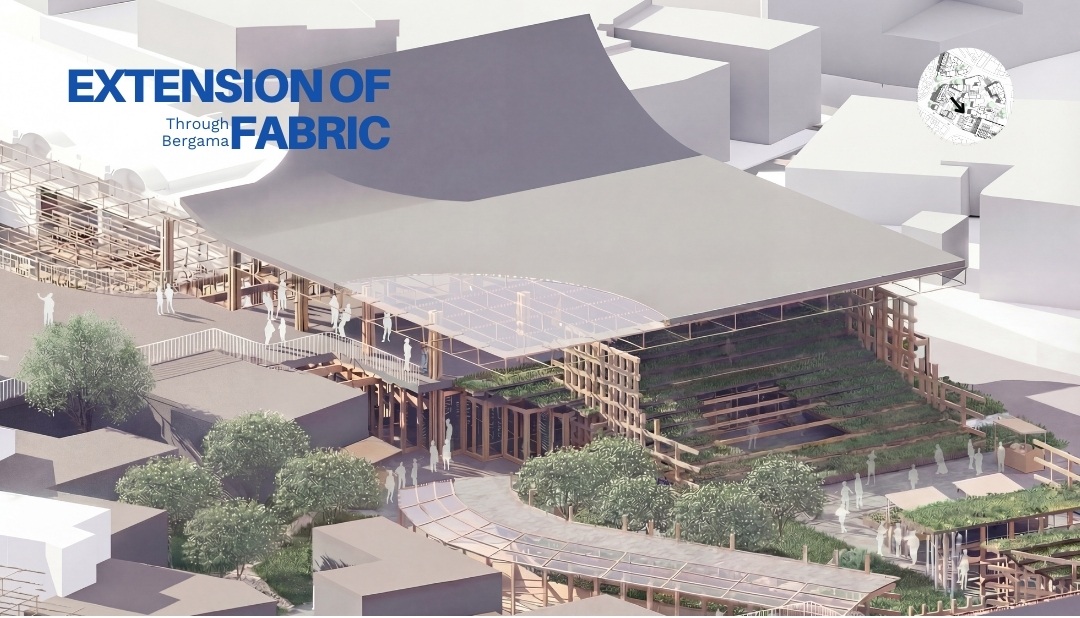
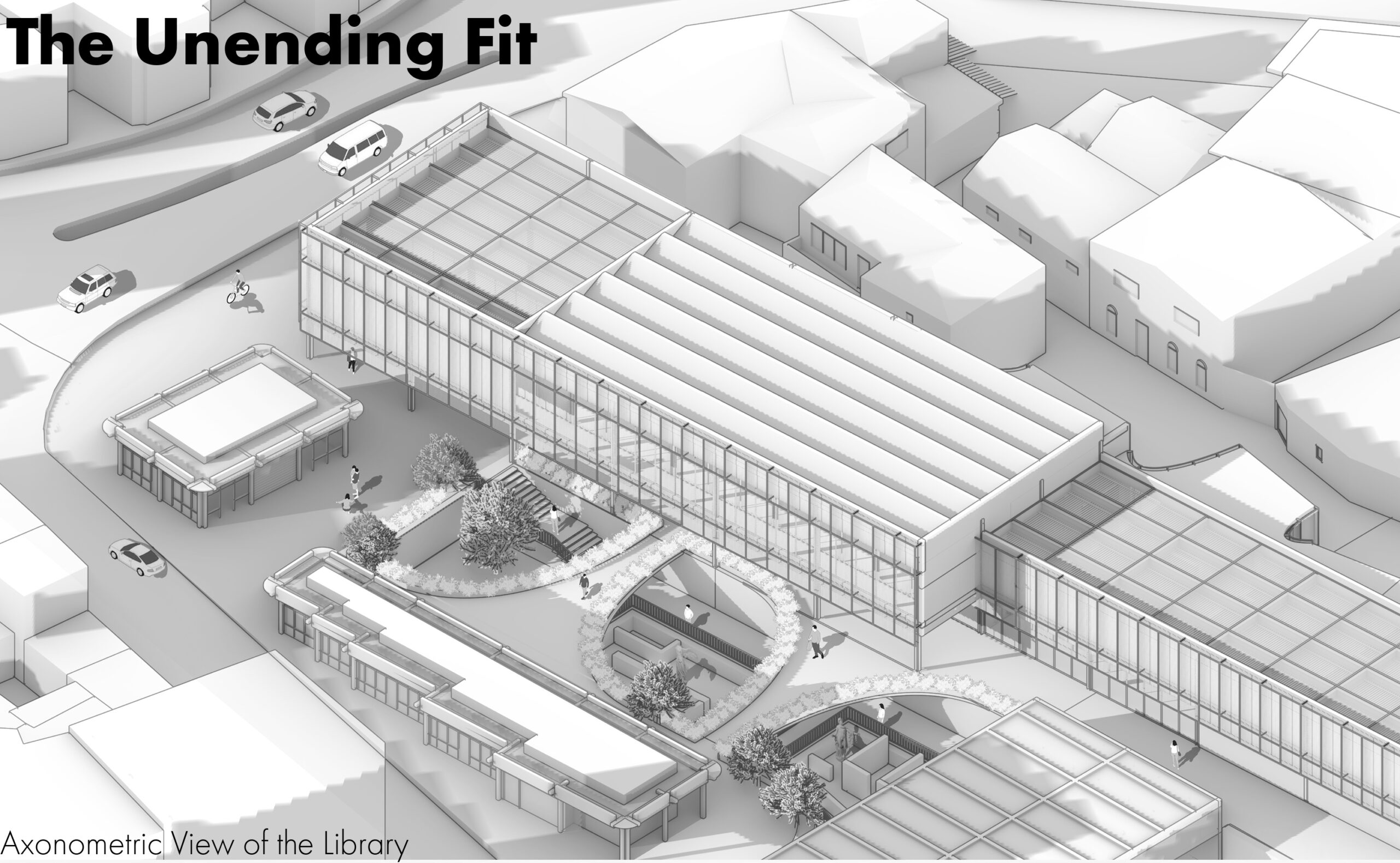
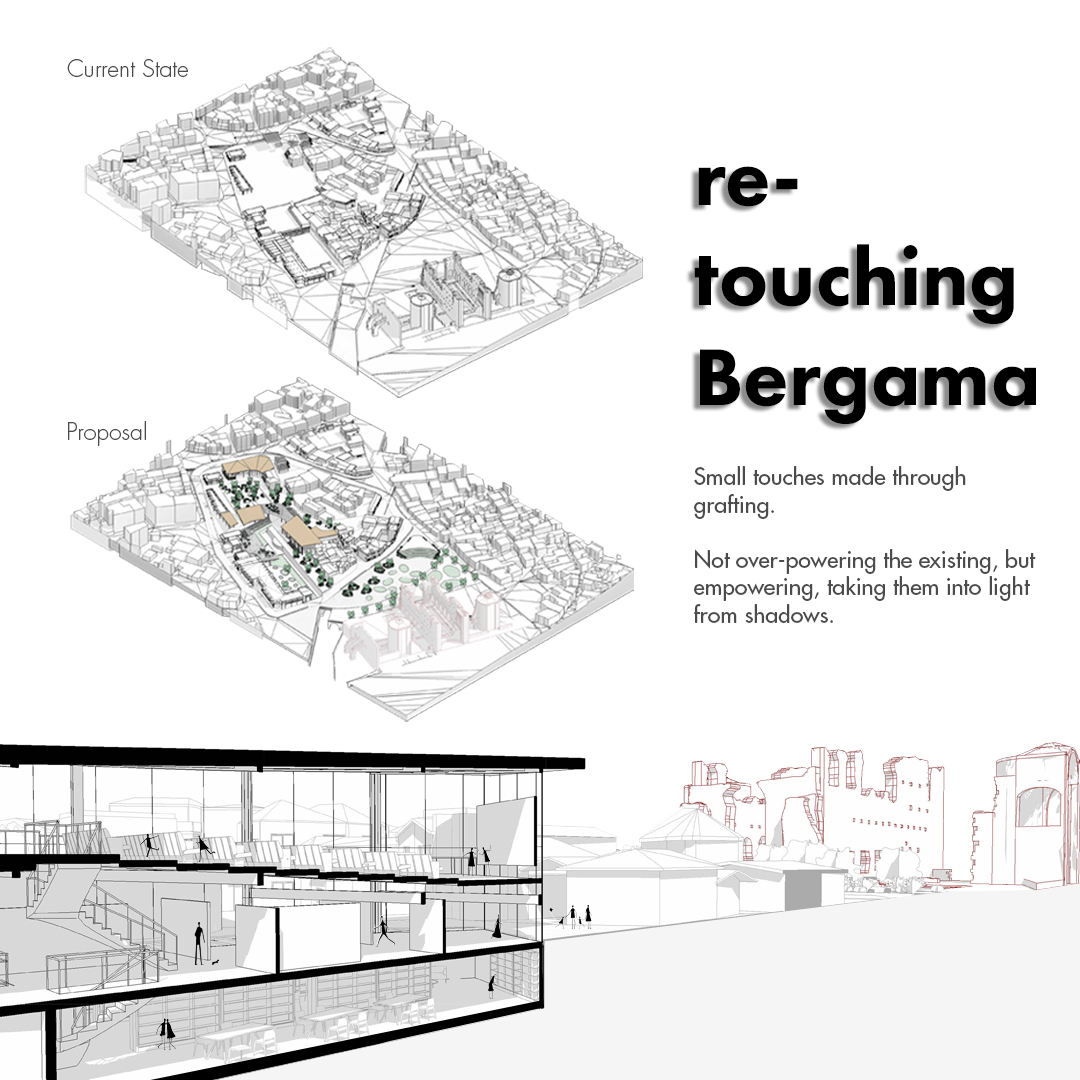
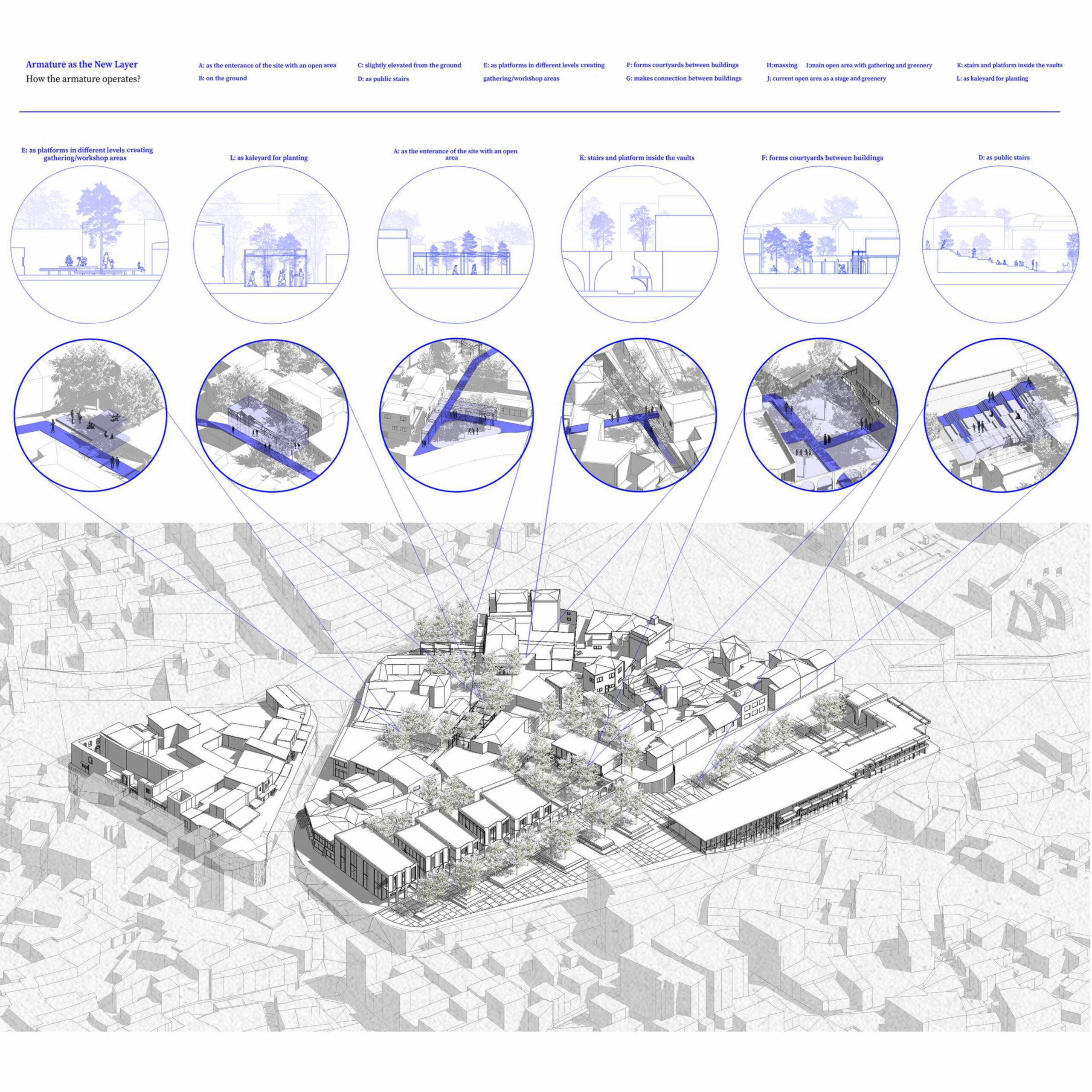
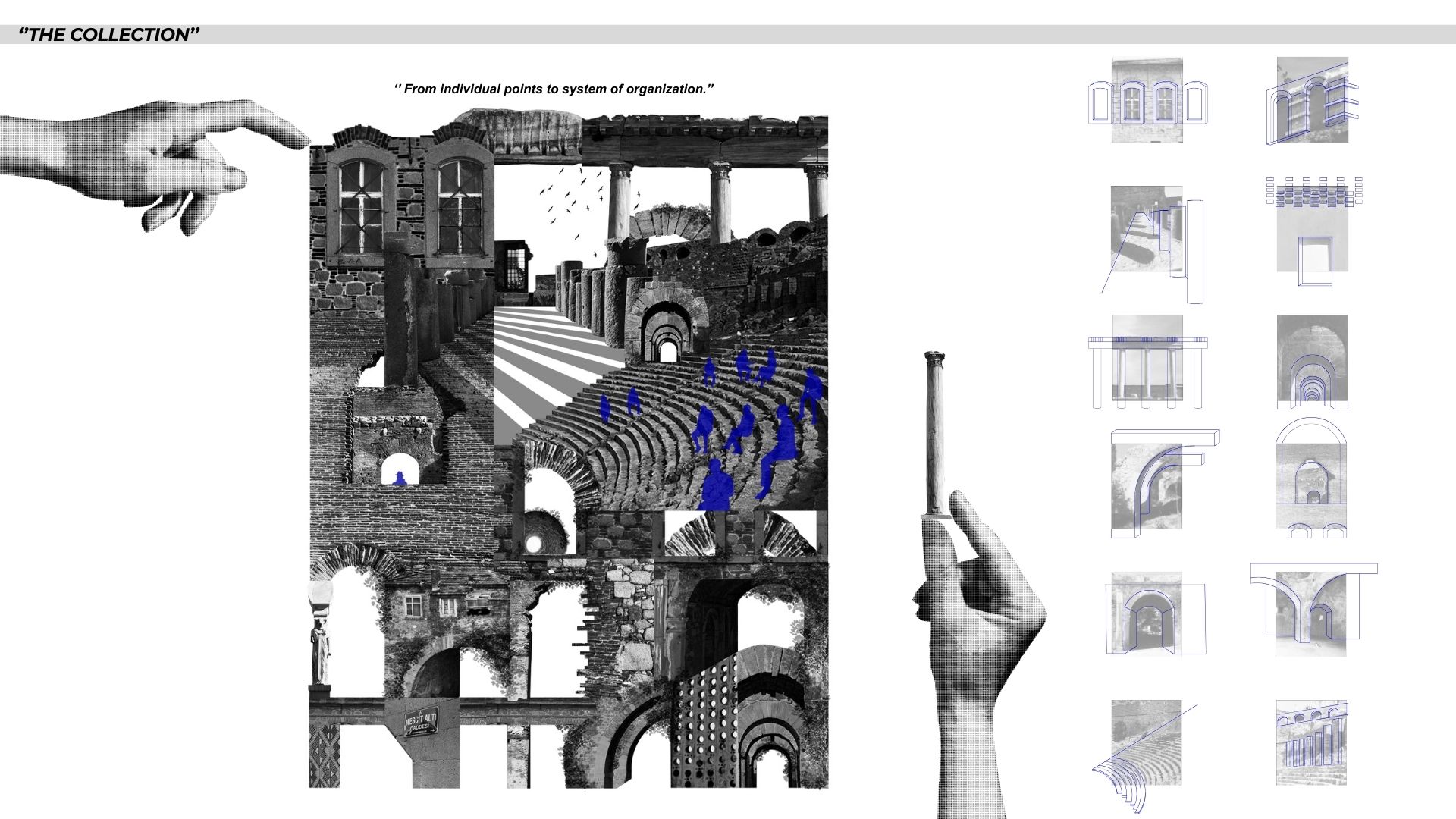
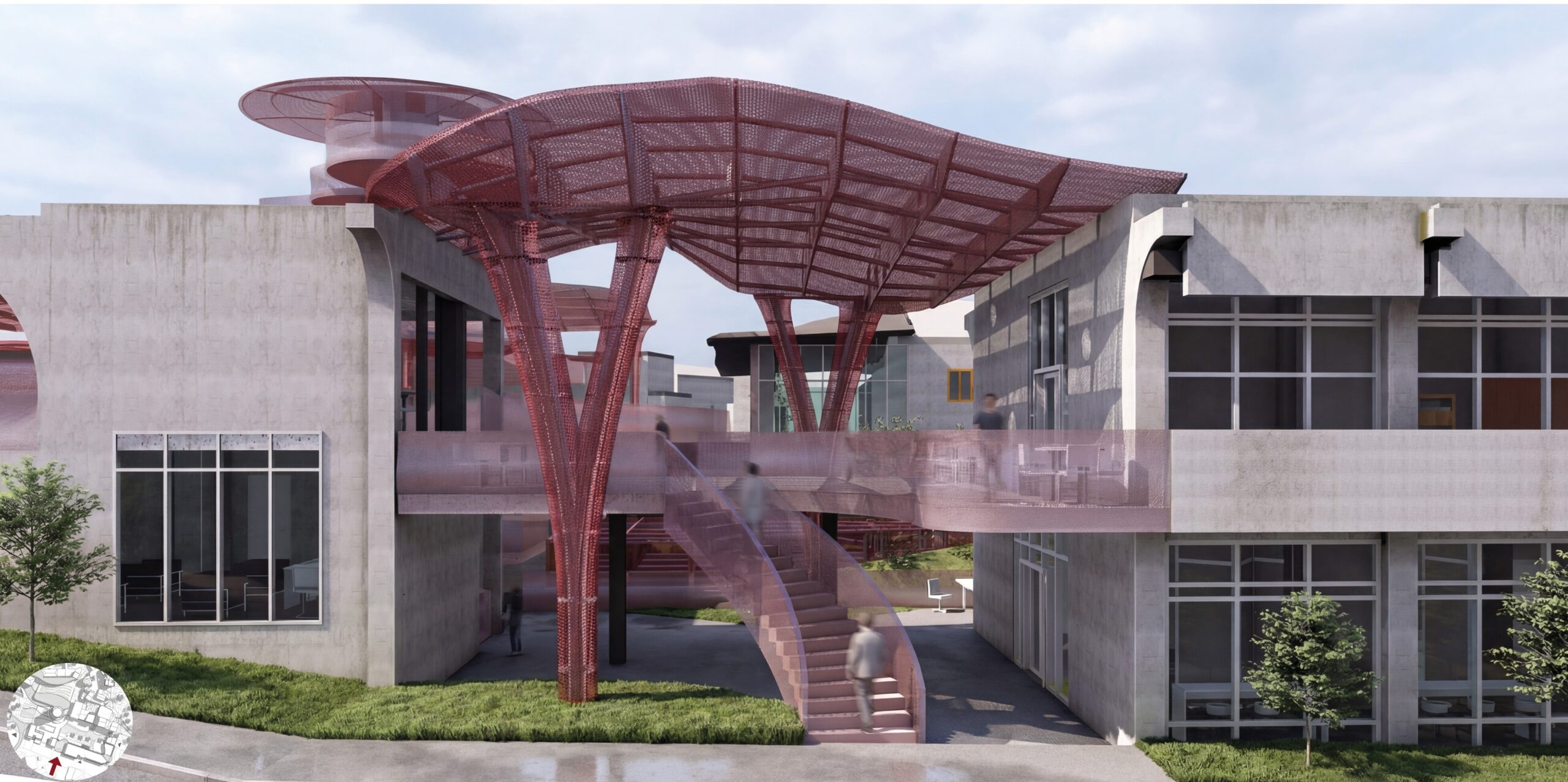
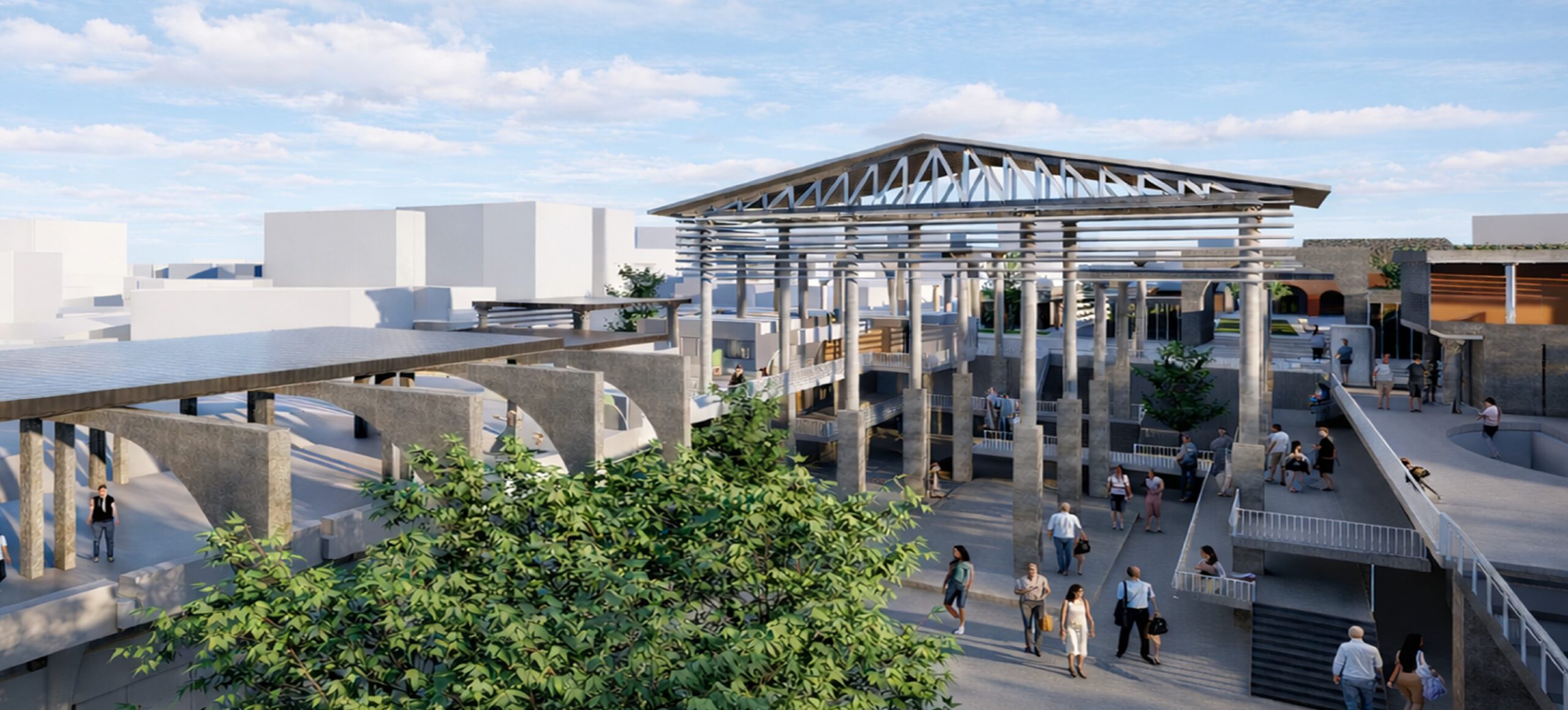
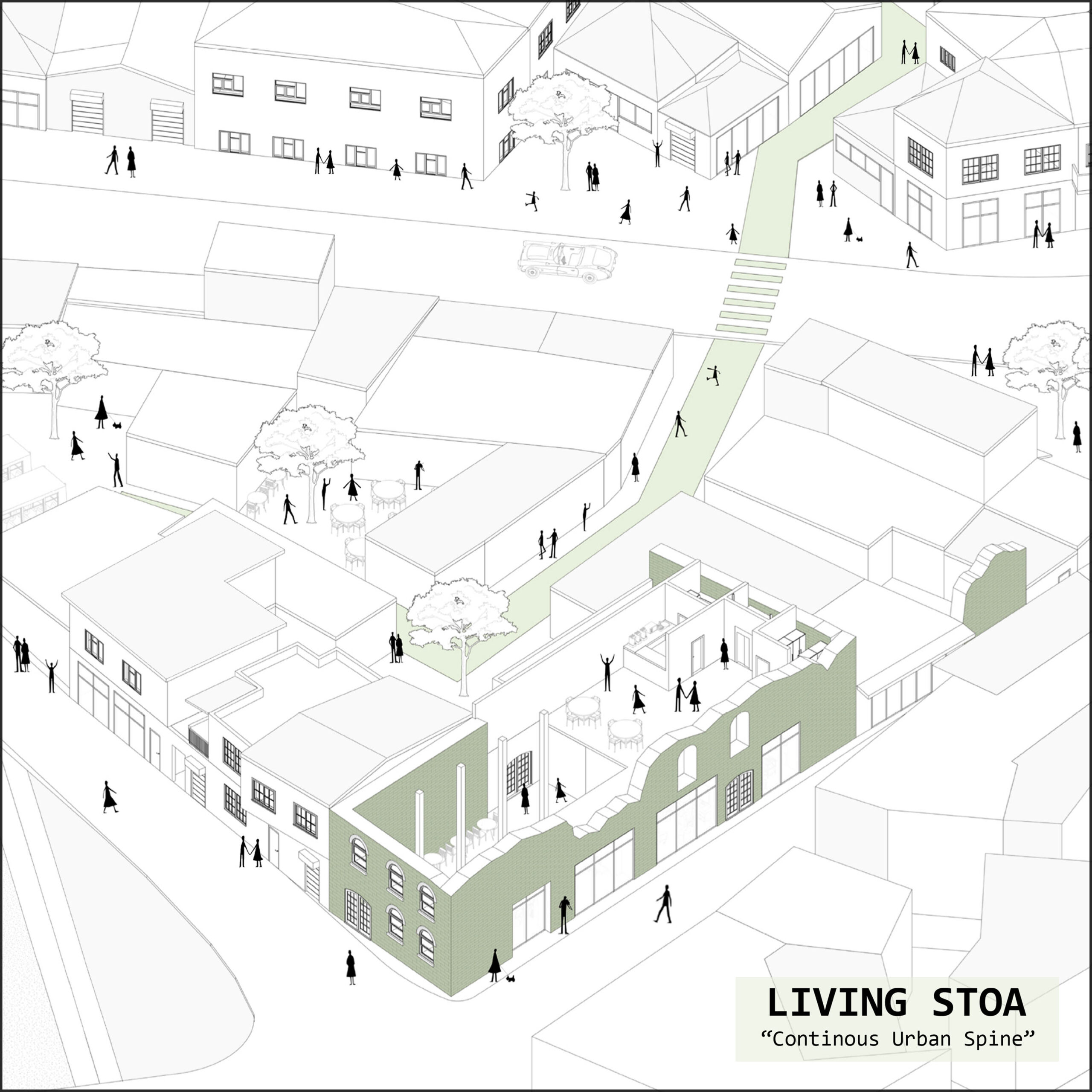
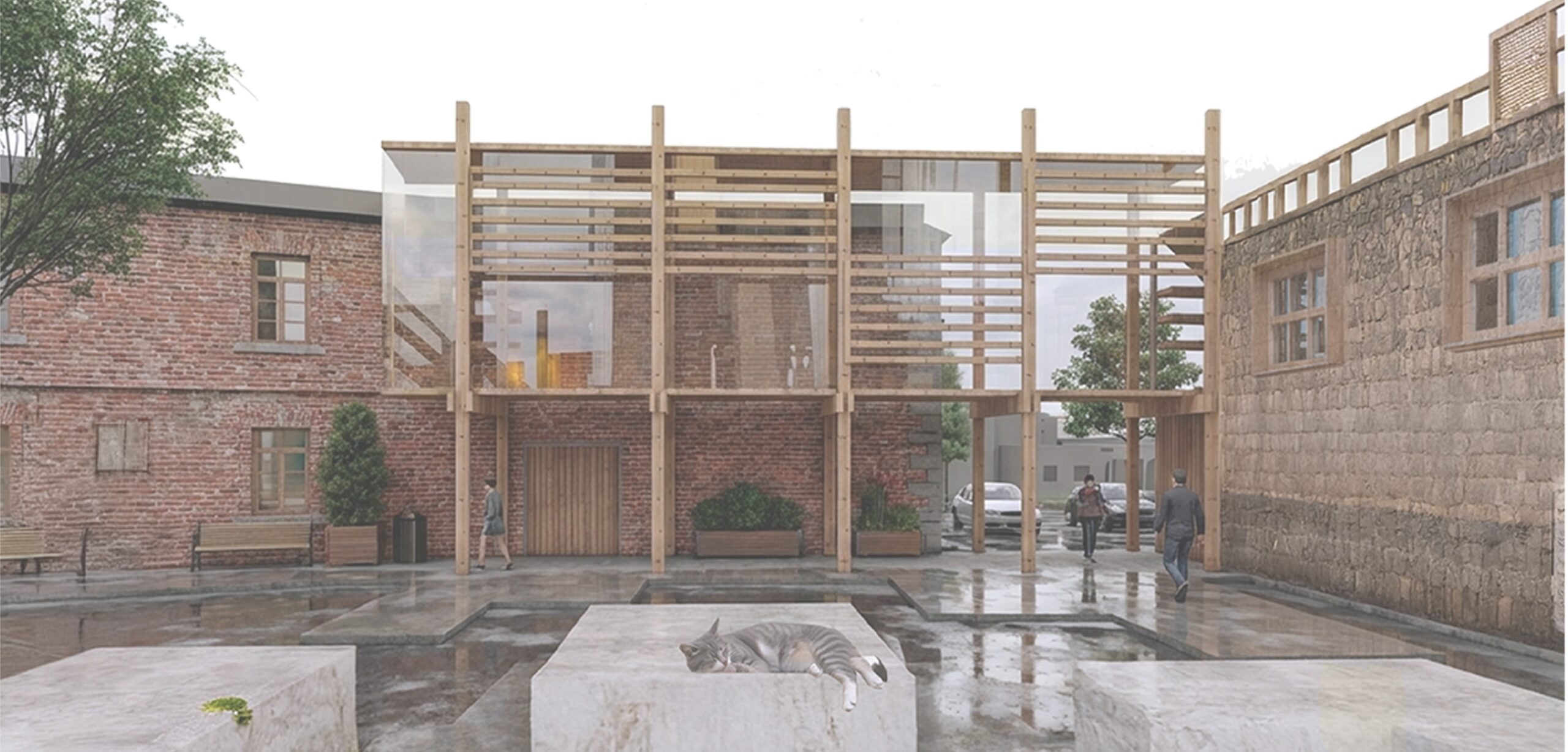
Grafting, the agricultural technique of joining two living organisms so they grow as one, offers a powerful metaphor for architecture and urban design. Traditionally used to create stronger, more resilient plants, it suggests ways of connecting the existing and the new so both may endure. In architecture, grafting challenges the either/or of preservation versus demolition, imagining continuity through adaptation and hybridization across four dimensions: structural, programmatic, material, and conceptual. It extends existing spatial systems, weaves new activities into everyday life, reveals change through reuse and repair, and reframes built form as multi-authored across time, where past and present together shape the future.
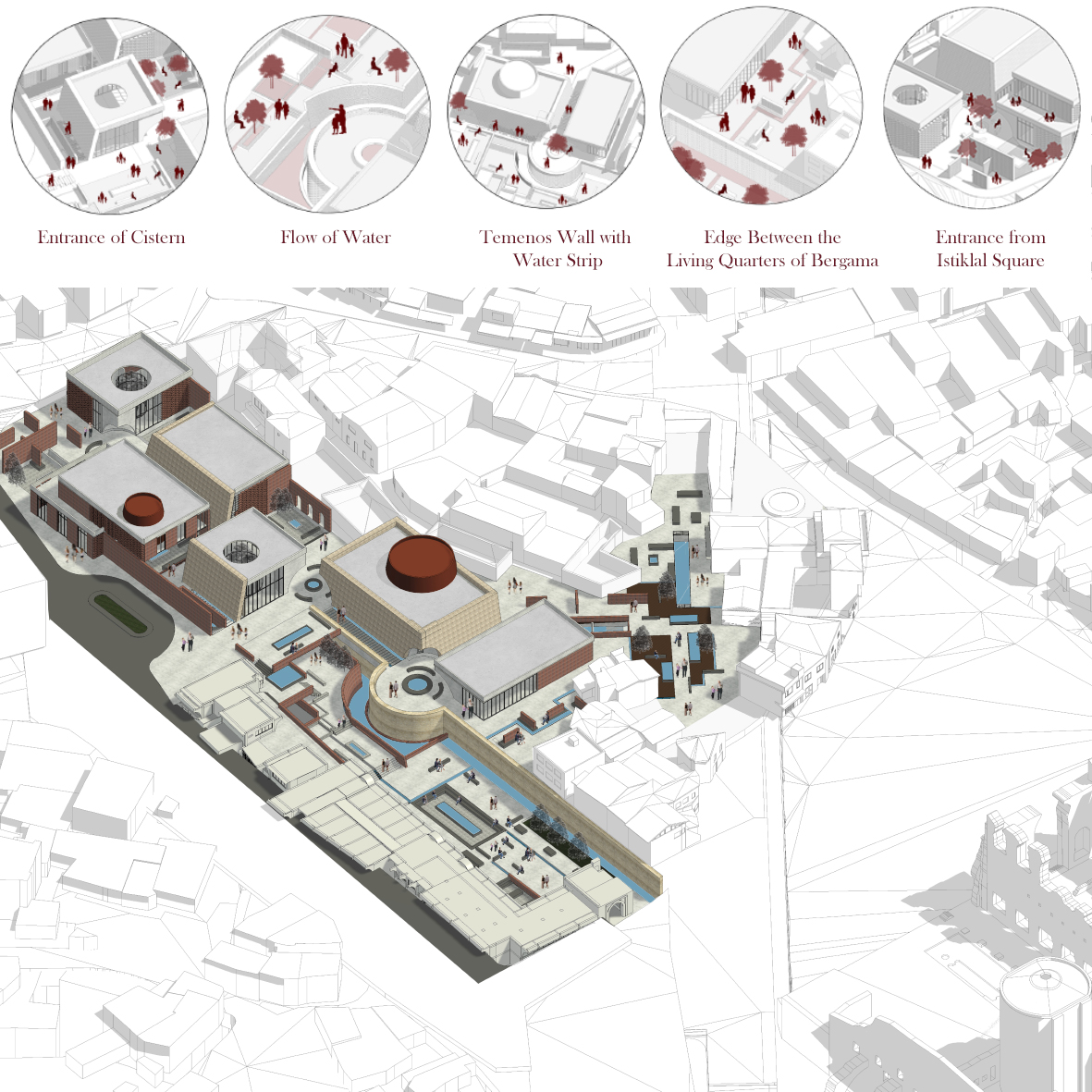
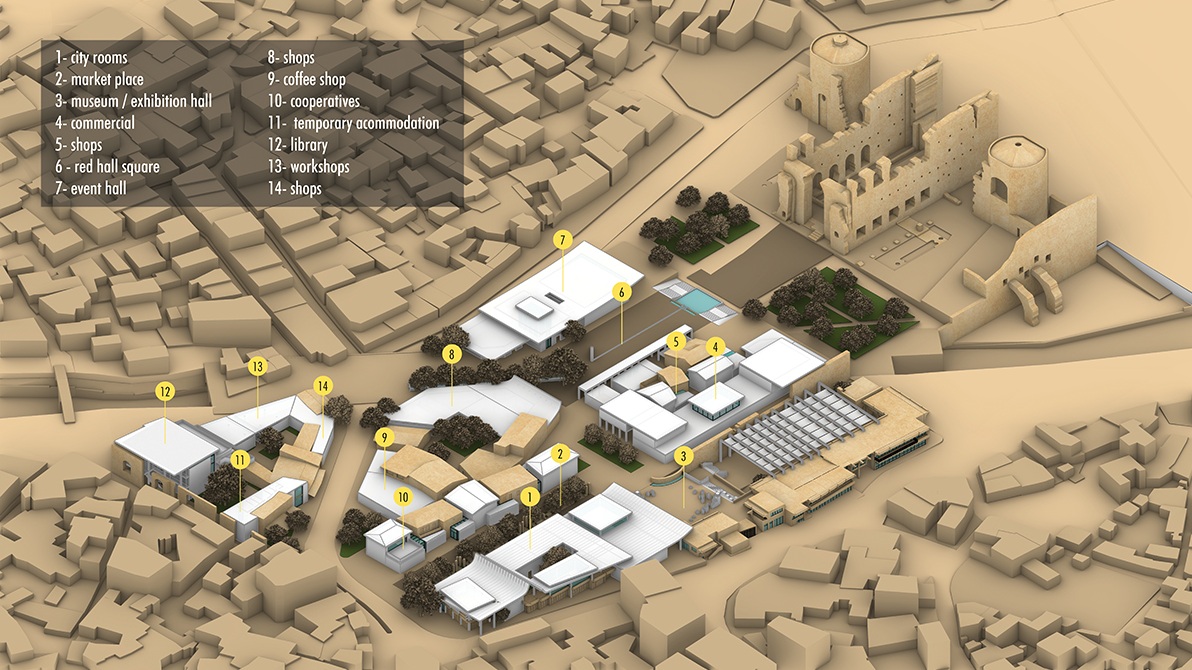
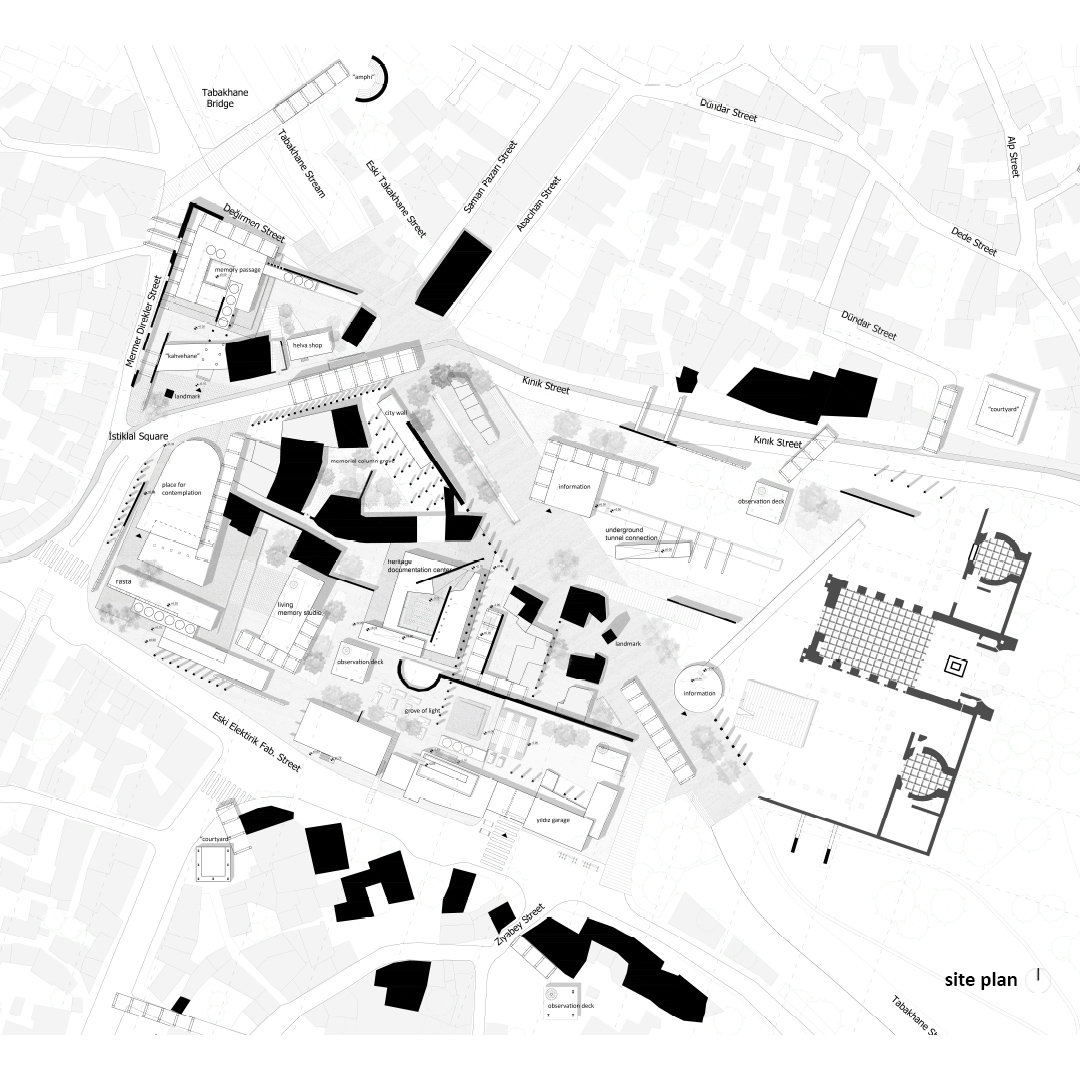
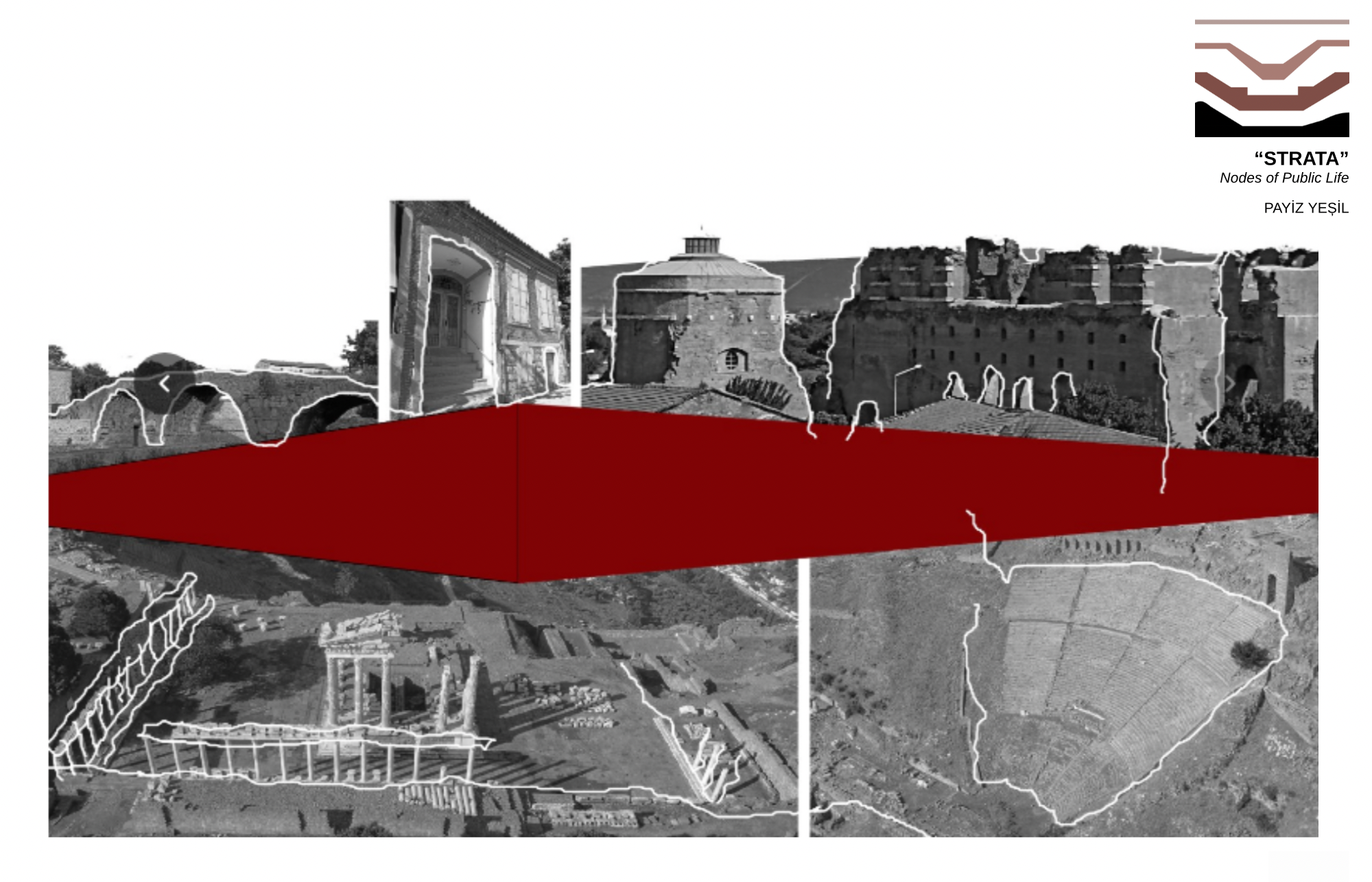
Bergama offers fertile ground for this inquiry. The Kızıl Avlu (Red Basilica), a Roman structure embedded within a living neighborhood, embodies the overlap of archaeology and domestic life, while the obsolete Yıldız Terminal stands as an infrastructural rootstock awaiting new scions markets, workshops, cultural venues that could reactivate public life. In Fall 2025, the ARCH 401 studios investigated Bergama’s urban fabric through the lens of grafting, developing a network of design proposals that respond at once to archaeological heritage, existing building stock, and contemporary civic needs.
Studio Team:
Emine Çiğdem Asrav,
Ensar Temizel,
Meral Özdengiz Başak,
Yiğit Acar (studio coordinator)
Serap Çiftçi, (studio assistant)
Nisa Gezer (studio assistant)